The Growing Shift Toward Keyless Entry in Modern Residential Design
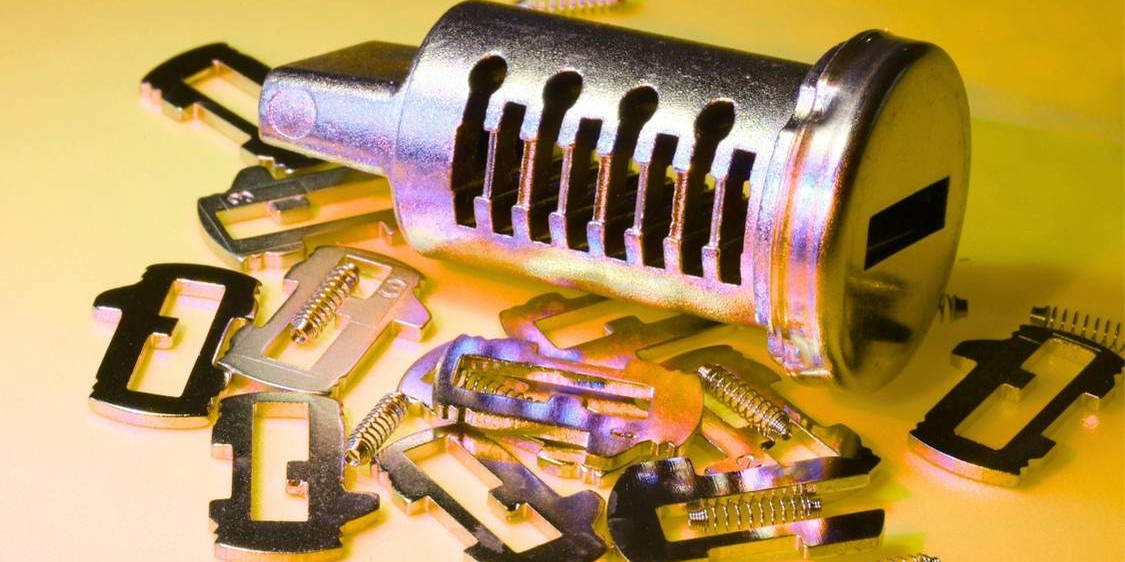
For decades, the standard image of returning home involved fumbling through a heavy ring of metal keys, searching for the right one in the dark, and physically turning a cylinder. However, as residential architecture leans further into minimalism and smart technology, the traditional key is becoming a relic of the past. At Enlace Aloa, we are seeing a significant shift toward keyless entry systems that prioritize both aesthetic sleekness and practical functionality.
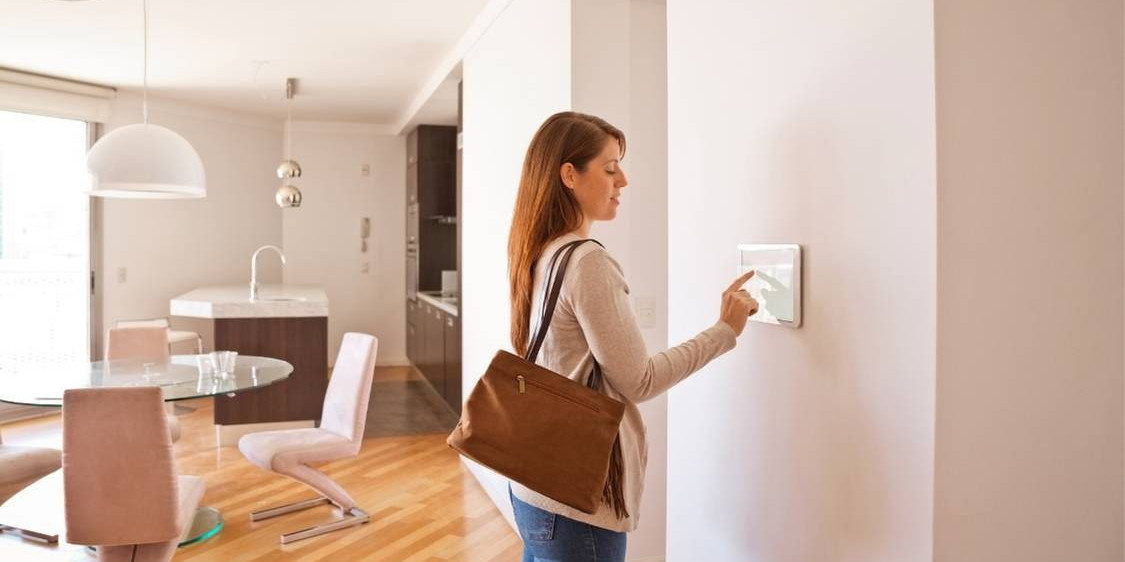
Modern homeowners are no longer just looking for a lock; they are looking for a seamless access experience. Whether it is through a smartphone app, a discreet keypad, or a fingerprint scanner, keyless entry is redefining how we interact with our living spaces. This guide explores why this shift is happening and how you can practically implement these solutions in your own home.
Why Homeowners are Moving Away from Traditional Keys
The transition to keyless entry isn’t just about following a trend; it is driven by the demand for a more efficient lifestyle. In modern residential design, the goal is often to reduce “friction”—those small, annoying tasks that interrupt our day. Keyless systems eliminate the panic of lost keys and the expensive need for rekeying locks when a set goes missing.
The Convenience Factor
Imagine arriving home with bags of groceries. Instead of putting everything down to find your keys, your door unlocks automatically as your smartphone approaches. This level of convenience is a primary driver for the adoption of smart access. Furthermore, keyless systems allow homeowners to grant remote access to guests, service providers, or delivery personnel via temporary digital codes, eliminating the need to hide a spare key under a doormat—a notorious security risk.
Enhanced Security and Monitoring
Unlike traditional locks, keyless systems provide an audit trail. Most modern systems sync with an app that sends real-time notifications whenever the door is locked or unlocked. You can see exactly who entered and at what time. This level of transparency offers peace of mind that a standard deadbolt simply cannot provide. Additionally, many systems feature built-in alarms that trigger if the lock is tampered with, adding an extra layer of defense to your home.
Popular Types of Keyless Entry Systems
If you are considering an upgrade, it is helpful to understand the different technologies available. Each has its own set of practical benefits depending on your daily routine and the design of your entryway.
- Smart Locks with Smartphone Integration: These are the most common. They connect to your home’s Wi-Fi or Bluetooth, allowing you to control the lock from anywhere in the world.
- Biometric Access: These systems use unique physical markers, such as fingerprints or facial recognition. They are incredibly secure because your “key” cannot be stolen or duplicated.
- Keypad and PIN Code Locks: A classic choice for families. Each family member can have their own code, which is easy to remember and can be changed frequently for security.
- RFID and Key Fobs: Similar to office security, these allow you to tap a small fob against the reader. These are excellent for those who prefer a physical object but want to avoid the wear and tear of traditional keys.
Practical Tips for Choosing the Right System
When selecting a keyless entry system for a modern home, you need to balance design with technical requirements. Here is a practical checklist to guide your decision:
- Check Your Door Hardware: Not all smart locks fit every door. Ensure the system you choose is compatible with your existing bore holes and door thickness.
- Connectivity Preferences: Decide if you want a Wi-Fi-enabled lock (which allows for remote control) or a Bluetooth-only lock (which consumes less battery but requires you to be nearby).
- Battery Life and Emergency Backups: Most keyless locks are battery-powered. Look for models with long battery life and a physical override or an external battery jump-start port in case the power dies.
- Integration with Home Automation: If you use platforms like Apple HomeKit, Amazon Alexa, or Google Home, ensure the lock can communicate with your existing ecosystem to create automated “scenes.”
Installation and Maintenance: Keeping It Simple
One of the biggest misconceptions about keyless entry is that it is difficult to maintain. In reality, most systems are designed for easy upkeep. For installation, while many units are DIY-friendly, hiring a professional locksmith ensures that the door is perfectly aligned. A slight misalignment can cause the motor to work harder, shortening the battery life and potentially causing the lock to jam.
Maintenance is equally straightforward. We recommend checking the battery levels every six months and cleaning the sensors or keypads with a soft, dry cloth to prevent debris buildup. Additionally, keeping the lock’s firmware updated through its companion app ensures you have the latest security patches and features.
The Aesthetic Impact on Residential Design
From a design perspective, keyless entry allows for a much cleaner look. Modern architects often prefer the minimalist profile of a sleek touchscreen or a hidden biometric scanner over the bulky hardware of traditional handlesets. By removing the need for a physical keyway, designers can experiment with different materials and handle shapes, making the entryway a true statement piece of the home.
Conclusion: Embracing the Future of Home Access
The shift toward keyless entry is more than just a technological upgrade; it is a move toward a more secure, convenient, and aesthetically pleasing way of living. As modern residential design continues to evolve, the integration of smart access solutions will become the standard rather than the exception. By choosing the right system and maintaining it properly, you can enjoy the peace of mind that comes with knowing your home is protected by the latest in security innovation. At Enlace Aloa, we are here to help you navigate these choices and ensure your transition to a keyless lifestyle is smooth and secure.