The Invisible Shield: Redefining the Modern Home
For decades, the architectural language of home security was one of visible deterrence. Heavy iron gates, prominent deadbolts, and bars on windows served as a physical manifesto of safety. However, a quiet revolution is currently unfolding within the world of residential design. Today, security is no longer an afterthought or an unsightly addition; it is becoming a seamless, invisible component of the architectural blueprint. This shift from the ‘fortress’ mentality to the ‘smart’ ecosystem marks a significant evolution in how we perceive and interact with our living spaces.
As we move deeper into the 2020s, the intersection of aesthetics and advanced access solutions is defining the high-end residential market. Homeowners are increasingly demanding security measures that provide maximum protection without compromising the clean lines and open concepts of modern design. This demand has pushed locksmiths and security specialists to transition into access consultants, blending traditional craftsmanship with cutting-edge digital logic.
From Iron Bars to Invisible Barriers
The evolution of digital security in residential design is characterized by the disappearance of the hardware itself. In contemporary luxury homes, the traditional ‘lock and key’ is being replaced by biometric interfaces and encrypted digital tokens. This isn’t merely about convenience; it’s about the integration of safety into the very fabric of the building.
The Aesthetics of Safety
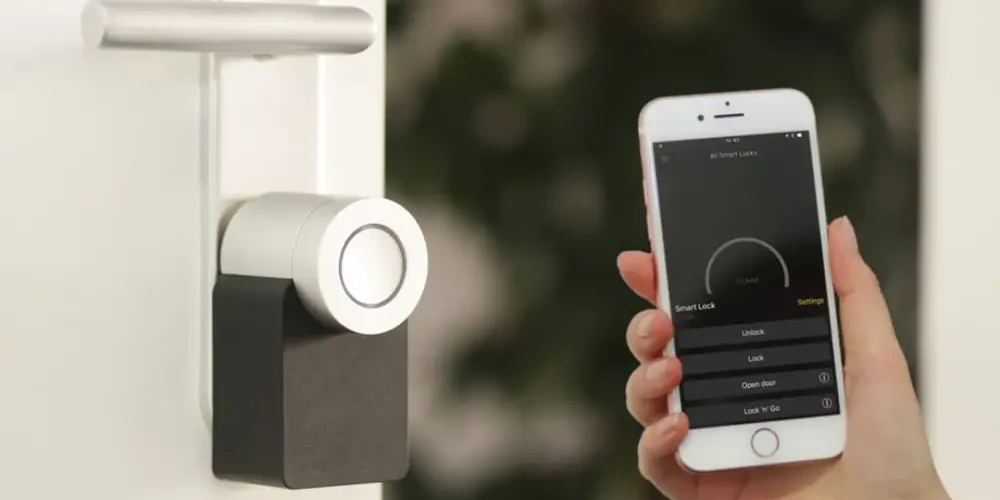
Architects are now collaborating with security experts during the earliest phases of design. Instead of mounting a bulky camera on a finished facade, modern designs incorporate recessed lenses and sensors that blend into the soffits or stonework. Smart locks are being integrated directly into custom-built doors, removing the need for traditional escutcheon plates and visible keyholes. This ‘minimalist security’ allows the architectural vision to remain uncompromised while providing a level of protection that far exceeds traditional mechanical methods.
The Rise of the Seamless Entryway
The entryway has always been the primary focus of home security, but its role is changing. No longer just a point of entry, the modern door is a sophisticated data node. The evolution of digital security has introduced several key technologies that are becoming standard in modern residential projects:
- Biometric Recognition: Fingerprint and facial recognition systems that allow for ‘hands-free’ entry, eliminating the need for physical keys or codes that can be lost or stolen.
- Geofencing Technology: Systems that recognize the homeowner’s smartphone as they approach, automatically disarming the perimeter and unlocking the door.
- Encrypted Digital Keys: The ability to issue temporary, time-sensitive access codes to service providers or guests via a mobile app, providing a digital audit trail of everyone who enters the home.
- Hidden Electromechanical Bolts: High-strength locking mechanisms that are concealed within the door frame, offering superior resistance to forced entry without being visible to the naked eye.
These technologies represent a shift toward ‘frictionless’ security. The goal is to create an environment where the resident feels completely safe without ever having to consciously interact with a security system.
Beyond the Deadbolt: The Ecosystem Approach
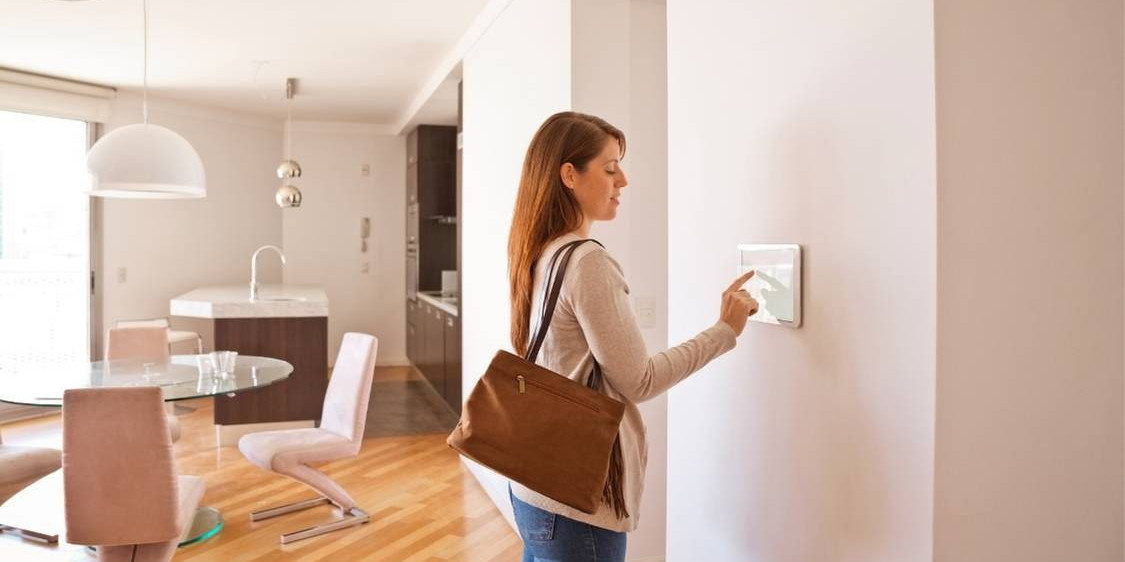
Modern digital security is no longer a collection of isolated gadgets; it is a holistic ecosystem. In contemporary residential design, the security system communicates directly with the lighting, HVAC, and even the home’s structural elements. This integration allows for automated responses to potential threats. For example, if an unauthorized entry is detected, the home can be programmed to flash all external lights and lock down specific ‘safe zones’ within the interior.
The Psychology of ‘Quiet’ Security
There is a profound psychological benefit to this quiet evolution. Traditional security measures often serve as a constant reminder of potential danger. In contrast, integrated digital security provides a sense of calm. When the technology is invisible, the home feels more like a sanctuary and less like a compound. This ‘peace of mind’ is perhaps the most valuable commodity in modern residential design.
The Role of the Modern Access Specialist
As residential security becomes more complex, the role of the professional locksmith has expanded. Today’s experts, such as those at Enlace Aloa, must possess a deep understanding of both mechanical engineering and network security. Installing a smart lock is no longer just about drilling holes; it’s about ensuring that the device is integrated into a secure network, protected against digital intrusion, and optimized for the specific lifestyle of the inhabitants.
The evolution of digital security is also changing the lifecycle of home maintenance. Software updates and firmware patches are now just as important as lubricating a hinge. This ongoing relationship between the homeowner and the security specialist ensures that the residential design remains protected against the evolving threats of the digital age.
Conclusion: The Future of Residential Protection
The quiet evolution of digital security in residential design is ultimately about harmony. It is the successful marriage of high-level protection and high-level aesthetics. As we look toward the future, we can expect to see even greater levels of integration, with AI-driven systems that can predict and mitigate threats before they even reach the front door. For the modern homeowner, security is no longer something you see—it is something you feel.