
Articles in this Modern access systems guide
The way we secure our homes and businesses is undergoing a fundamental transformation. For generations, the physical key was the undisputed standard of security. However, as technology advances, the limitations of mechanical locks—such as the risk of lost keys, unauthorized duplication, and the lack of an audit trail—have become more apparent. Modern access systems have emerged to bridge the gap between physical durability and digital intelligence, offering a level of control that was previously impossible for the average property owner.
This guide explores the various facets of these systems, from the convenience of keyless entry to the high-level precision of biometric scanners. By understanding how these technologies work and how they integrate with traditional security practices, you can make informed decisions about protecting your assets and ensuring long-term peace of mind.
The Evolution of Property Access: From Metal Keys to Digital Credentials
To understand where security is going, it is helpful to look at where it began. The transition from mechanical to digital access is not just a change in hardware; it is a shift in how we define a "credential." In a traditional setup, the credential is a physical object—a piece of metal cut to specific depths. If you possess the object, you have access. This creates a significant vulnerability: the lock cannot distinguish between the rightful owner and a thief who found a lost set of keys.
The Limitations of Mechanical Systems
Mechanical locks are susceptible to several common threats. Lock picking, bumping, and forceful entry are physical risks, but the logistical risks are often more problematic. When a key is lost, the only way to restore security is to physically rekey the cylinder or replace the entire lock. In a commercial setting with dozens of employees, this process is expensive, time-consuming, and prone to human error.
The Rise of the Digital Credential
Modern systems replace the physical key with digital credentials. These can take many forms, including PIN codes, RFID cards, Bluetooth signals from a smartphone, or even encrypted data packets sent over a Wi-Fi network. The primary advantage here is revocability. If a digital credential is compromised, it can be deleted from the system instantly without touching the physical lock. This evolution represents the core of modern locksmith and smart security for residential and commercial properties alike.
Digital systems also introduce the concept of time-bound access. Instead of giving a permanent key to a contractor or a guest, you can issue a digital credential that only works between specific hours. This granular control is the hallmark of modern access management.
Keyless Entry Systems: Enhancing Convenience and Residential Security
Keyless entry is perhaps the most visible change in modern residential design. Homeowners are increasingly moving away from the frustration of fumbling for keys in the dark or worrying about whether the door was locked after they left. The integration of technology into the front door has turned a simple barrier into a smart interface.
Smartphone Integration and Remote Management
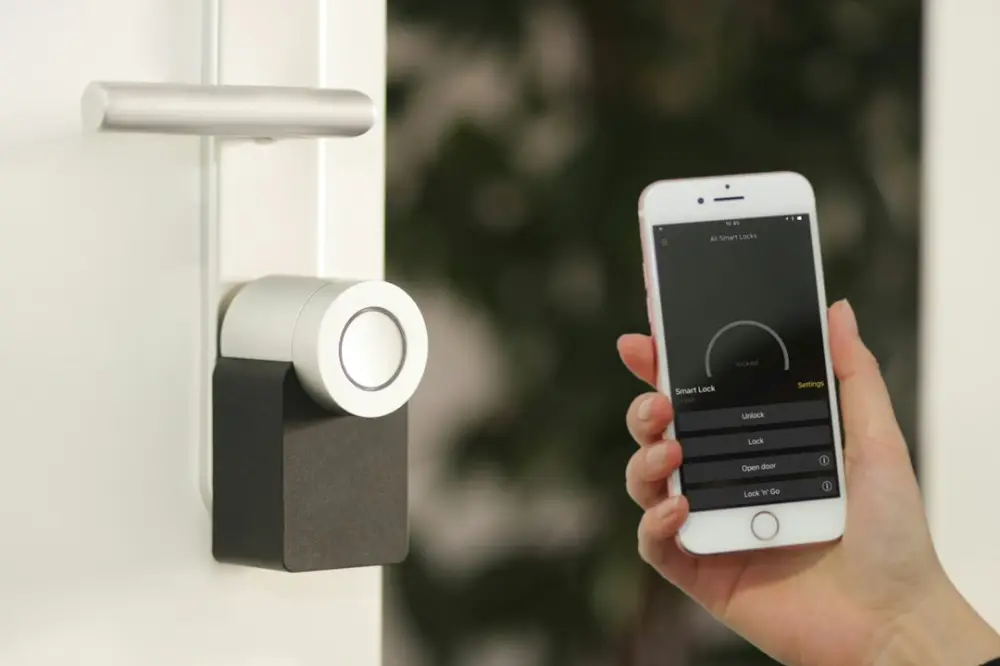
The smartphone has become the central hub for modern living, and security is no exception. Many modern locks allow users to lock or unlock their doors via an app. This is particularly useful for verifying the status of your home while at work or on vacation. If you realize you forgot to lock up, a single tap on your screen resolves the issue. Furthermore, push notifications provide real-time alerts whenever the door is accessed, creating a transparent log of who enters and exits the home.
Keypads and Touchscreens
Keypads offer a secondary layer of convenience. They eliminate the need for any physical device—neither a key nor a phone is required. This is ideal for children coming home from school or for runners who don't want to carry anything with them. High-end touchscreens often include features like "scramble code," where you enter random digits before or after your actual PIN to prevent "smudge attacks," where intruders try to guess the code based on fingerprints left on the screen.
The aesthetic impact of these systems is also a major factor in the growing shift toward keyless entry. Modern locks are designed to be sleek and unobtrusive, fitting the minimalist trends of contemporary architecture. They replace bulky hardware with clean lines and backlit interfaces that complement a modern home’s exterior.
Biometric Technology: The Precision of Personalized Access
While PINs and smartphone apps are convenient, they still rely on "what you know" or "what you have." Biometric security takes it a step further by focusing on "who you are." By using unique biological markers, biometric systems provide a level of security that is extremely difficult to bypass or spoof.
The Fingerprint Revolution
Fingerprint scanners are the most common form of biometrics in the residential market. The technology has matured significantly, moving from slow, unreliable sensors to rapid, high-resolution scanners that work in milliseconds. Modern sensors use capacitive scanning, which measures the electrical current between the ridges of your finger, making it nearly impossible to trick the system with a simple photo or a silicone mold.
One of the greatest practical benefits is that your fingerprint is finally replacing the traditional house key as the most reliable way to enter your home. It cannot be lost, stolen, or forgotten. For families with elderly members or young children, this eliminates the stress of managing physical keys that are easily misplaced.
Other Biometric Modalities
While fingerprints lead the way, other forms of biometrics are entering the market. Facial recognition is becoming more common in high-end systems, offering a completely hands-free experience. As you approach the door, a camera identifies your facial features and unlocks the door before you even reach the handle. While these systems require more power and sophisticated hardware, they represent the peak of personalized access technology.
Comparing Traditional Hardware with Smart Security Innovations
It is a mistake to view modern access systems as a complete replacement for traditional locksmithing. Instead, the most effective security strategies combine the physical strength of high-quality hardware with the intelligence of smart technology. Understanding the strengths and weaknesses of each is essential for building a robust security profile.
Physical Strength vs. Digital Intelligence
A smart lock is only as good as the bolt it throws. If a smart lock is installed on a flimsy door with a weak strike plate, the digital encryption won't matter if an intruder uses physical force. Modern security professionals emphasize the importance of ANSI Grade 1 hardware—the highest level of residential and commercial security—regardless of whether the lock is "smart" or "dumb."
Reliability and Redundancy
One common concern with modern systems is what happens when the power goes out or the internet goes down. Traditional locks are immune to these issues, but modern smart locks have built-in redundancies. Many use local Bluetooth connections that don't require the internet to function at the door. Others include physical key overrides or external battery terminals (such as a 9V contact point) to provide emergency power if the internal batteries die.
Audit Trails and Accountability
Where modern systems clearly outshine traditional hardware is in accountability. A standard lock cannot tell you who used a key at 2:00 PM on a Tuesday. A smart system provides a detailed log. In a business environment, this is critical for protecting sensitive areas like server rooms or inventory closets. In a home, it provides parents with the knowledge that their children arrived home safely.
Future-Proofing Your Property with Integrated Access Controls
The true power of modern access systems is realized when they are integrated into a larger ecosystem. Security is no longer a standalone feature; it is part of a connected environment that responds to your needs in real-time.
Smart Home Ecosystems
When your lock can talk to your lights, thermostat, and alarm system, your security becomes proactive rather than reactive. For example, unlocking the front door in the evening can trigger the hallway lights to turn on and the security system to disarm. Conversely, locking the door when you leave can ensure all windows are shut, the lights are off, and the cameras are recording. This level of integration reduces the mental load on the property owner and ensures that security protocols are followed every time.
The Role of Connectivity Standards
As you look to the future, the protocols used by these devices—such as Z-Wave, Zigbee, or the newer Matter standard—are vital. These standards ensure that devices from different manufacturers can communicate with one another. Choosing a system that follows universal standards prevents you from being locked into a single brand's ecosystem, allowing you to upgrade components as technology evolves without replacing your entire setup.
Selecting the Right Modern Access Solution for Your Needs
Choosing a security system is a personal process that depends on your specific environment, budget, and technical comfort level. There is no one-size-fits-all solution, but there are several practical steps you can take to ensure you select the right system for your property.
Step 1: Conduct a Vulnerability Assessment
Before buying hardware, look at your entry points. Are you securing a front door, a side gate, or an internal office? High-traffic areas may benefit more from biometric scanners because they are faster, while a guest suite might be better served by a simple keypad where codes can be easily shared and deleted.
Step 2: Evaluate User Needs
Consider who will be using the system. If you have employees who already carry RFID badges for other purposes, an RFID-compatible lock makes sense. If you are a homeowner with young children, a fingerprint lock eliminates the risk of them losing keys. For those who frequently host short-term rentals, a Wi-Fi-connected lock that generates temporary codes is the most efficient choice.
Step 3: Prioritize Professional Installation
While many smart locks are marketed as DIY-friendly, professional installation ensures that the lock is perfectly aligned. Even a slight misalignment can cause the motor to strain, leading to premature battery drain or, worse, a lock that fails to fully engage. A professional can also ensure that your door and frame are reinforced to handle the new hardware.
Step 4: Establish a Maintenance Routine
Modern systems require a different kind of maintenance than traditional ones. You’ll need to check battery levels (though most apps will alert you), update firmware to protect against digital vulnerabilities, and occasionally clean biometric sensors to ensure accurate readings. Treat your digital security with the same care you would a high-end vehicle or computer.
Supporting Reading
To dive deeper into specific aspects of modern security and access technology, explore our detailed guides below:
- modern locksmith and smart security for: A look at how professional expertise integrates with new tech to create a safer environment.
- the growing shift toward keyless entry: Understanding why modern homes are moving away from traditional keys in favor of sleek, digital solutions.
- your fingerprint is finally replacing the: An in-depth exploration of biometric technology and its practical benefits for everyday security.