
The Shift from Metal Keys to Biometric Security
For centuries, the humble metal key has been the gold standard for home security. We have carried them in our pockets, hidden them under fake rocks, and felt that familiar weight as a sign of safety. However, as we move further into a digital-first world, the limitations of traditional keys are becoming harder to ignore. They can be lost, stolen, or easily duplicated by anyone with a few minutes and a hardware store nearby.
Today, we are witnessing a significant shift. Your fingerprint—something you can never lose or leave behind—is finally replacing the traditional house key. At Enlace Aloa, we have seen this transition firsthand. It is not just about the novelty of high-tech gadgets; it is about a practical evolution in how we manage access to our most private spaces. Biometric technology has matured, becoming more reliable, affordable, and user-friendly than ever before.
The Practical Benefits of Going Keyless
Transitioning to a fingerprint lock changes your daily routine in subtle but impactful ways. The primary driver for most homeowners is convenience, but the benefits go much deeper than simply avoiding a fumbled search for keys at the bottom of a bag.
- Elimination of Lost Keys: You cannot lose your finger. This eliminates the need for expensive emergency locksmith calls when you find yourself locked out at 10 PM.
- Simplified Access for Family: Children often struggle with physical keys or lose them at school. With a biometric scanner, they simply touch the sensor to enter the home safely.
- Temporary Access Management: Modern biometric locks often allow you to program multiple prints or use a companion app to grant temporary access to guests, dog walkers, or contractors without handing out a physical key that could be copied.
- Hands-Free Convenience: When you are carrying groceries or a sleeping toddler, a quick tap of a finger is significantly easier than manipulating a key into a lock cylinder.
Is Fingerprint Technology Actually Secure?
A common concern among homeowners is whether a digital scanner is truly as secure as a heavy-duty deadbolt. The answer lies in the sophisticated technology behind the sensor. Modern biometric locks use capacitive scanning, which maps the electrical current in your skin to create a highly detailed map of your fingerprint ridges. This is much harder to trick than the older optical scanners found in early tech models.
Anti-Spoofing and Encryption
Most high-quality fingerprint locks now feature anti-spoofing technology. This ensures that the device is scanning a "live" finger rather than a photograph or a silicone mold. Furthermore, the data representing your fingerprint is usually encrypted and stored locally on the device itself, rather than in a cloud database, which significantly reduces the risk of your biometric data being hacked or stolen.
Choosing the Right Biometric Lock for Your Home
If you are ready to make the switch, it is important to choose a lock that fits your specific lifestyle and environment. Not all fingerprint locks are created equal, and a few practical considerations will ensure you are happy with your investment over the long term.
Sensor Type and Placement
Look for locks with 360-degree recognition. This allows the sensor to read your print regardless of the angle at which you place your finger. Additionally, consider the placement of the sensor; it should be ergonomically positioned so that your thumb or index finger naturally rests on it when you reach for the door handle.
Weather Resistance and Durability
Since the lock will be exposed to the elements, ensure it has a high IP (Ingress Protection) rating. This protects the sensitive electronics from rain, dust, and extreme temperature fluctuations. A lock that works perfectly in the showroom but fails during a winter freeze is a liability, not an asset.
Practical Tips for a Smooth Transition
Moving to a biometric system requires a small shift in how you maintain your home’s entry points. To keep your system running smoothly, follow these practical steps:
- Register Multiple Fingers: Always register at least two fingers from each hand. If you have a small cut or a bandage on your primary finger, you will want a backup print already in the system.
- Keep the Sensor Clean: Periodically wipe the scanner with a soft, dry microfiber cloth. Built-up oils or dirt can occasionally interfere with the sensor's ability to get a clear read.
- Monitor Battery Levels: Most smart locks will give you weeks of warning before the batteries die. Make it a habit to change them as soon as the low-battery light appears.
- Maintain a Mechanical Backup: Most high-end biometric locks still include a hidden keyway or an emergency power jump-start port. Know where your backup key is located (perhaps at a trusted neighbor's house) just in case of a total electronic failure.
Why Professional Installation Matters
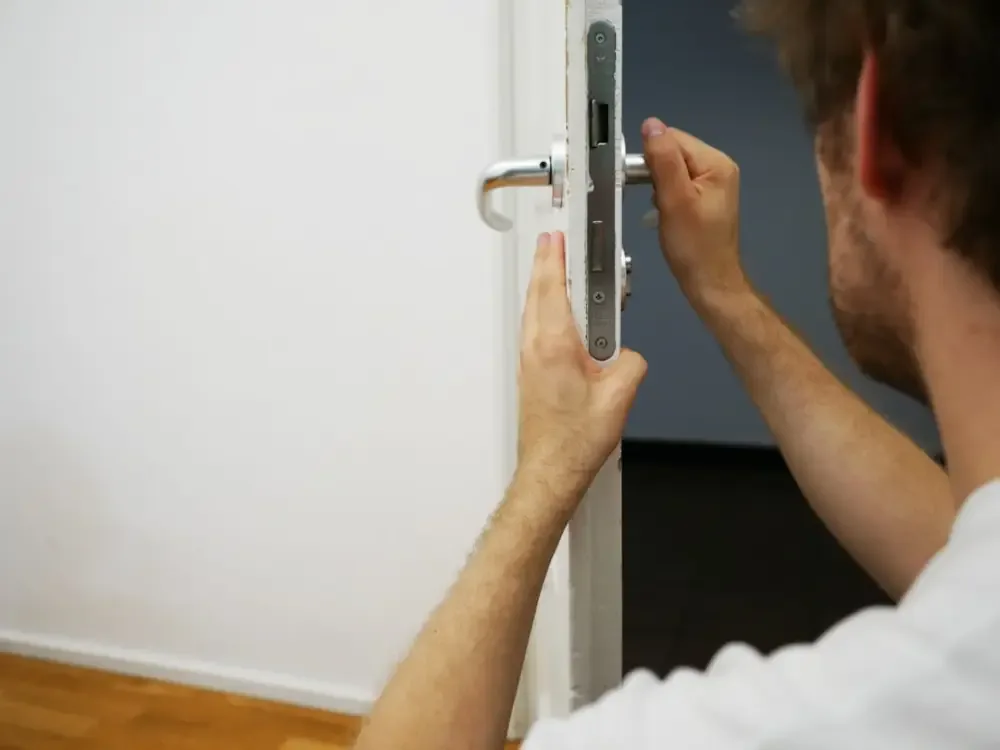
While many biometric locks are marketed as DIY-friendly, the physical security of your door depends on precise alignment. A lock that is slightly misaligned can put undue stress on the motor, leading to premature battery drain or mechanical failure. Professional installation ensures that the strike plate, latch, and sensor are all perfectly calibrated for smooth operation.
At Enlace Aloa, we believe that technology should serve to make your life simpler and safer. The transition to fingerprint access is more than just a trend; it is a practical solution to the age-old problem of key management. By removing the physical key from the equation, you gain a level of control and peace of mind that traditional hardware simply cannot match.
Final Thoughts
The traditional house key has had a long and successful run, but its era is drawing to a close. As fingerprint technology becomes the standard for smartphones and laptops, its integration into our homes is the next logical step. By choosing the right hardware and maintaining it properly, you can enjoy a more seamless, secure, and modern way to welcome yourself home.