
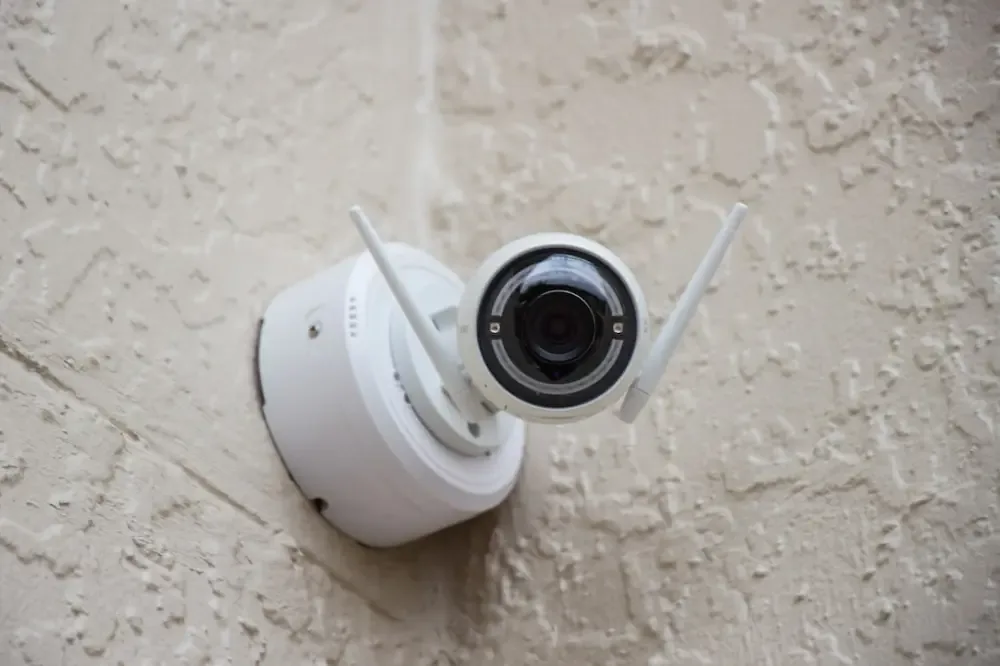
The Illusion of the All-in-One Box: A Shift in Home Security
In the last decade, the landscape of residential security has undergone a radical transformation. What was once the exclusive domain of specialized technicians and hardwired systems has been democratized by the rise of the DIY kit. From high-gloss packaging to user-friendly smartphone apps, the promise is seductive: total home protection in under thirty minutes, no tools required. This shift toward consumer electronics has changed how we perceive safety, turning security into a retail commodity rather than a professional service.
However, as we observe the evolution of digital security in modern residential design, a critical question emerges: does the ease of installation correlate with the efficacy of the protection? While DIY kits offer an entry point into the world of smart homes, they often lack the nuance, reliability, and strategic depth that a professional installation provides. For those looking to secure more than just a front porch, the gap between a 'gadget' and a 'system' is becoming increasingly apparent.
The Invisible Vulnerabilities of Self-Installation
The primary appeal of DIY security is autonomy. A homeowner can purchase a camera or a smart lock on a whim and have it operational by dinner. Yet, this speed often comes at the cost of a comprehensive security audit. Professional installers do not just mount hardware; they analyze the architectural vulnerabilities of a property. They look for the blind spots that a layperson might overlook, such as the angle of the afternoon sun blinding a lens or the structural weaknesses in a door frame that a smart lock alone cannot fix.
The Trap of the Default Setting
One of the most significant risks in the DIY sector is the 'set it and forget it' mentality. Many off-the-shelf devices are deployed with factory default settings, making them vulnerable to digital intrusion. Professionals ensure that every node in a security network is hardened, from encrypted communication protocols to secure network partitioning. In the era of the Internet of Things (IoT), a poorly installed camera is not just a security device; it is a potential gateway for hackers to access a private home network.
Strategic Placement vs. Aesthetic Convenience
In an editorial observation of modern homes, there is a recurring trend where DIY devices are placed where they look best or where the Wi-Fi signal is strongest, rather than where they are most effective. A professional installer understands the psychology of an intruder. They prioritize high-traffic corridors, vulnerable entry points, and redundant coverage zones. They ensure that the hardware is not just present, but tactically positioned to provide actionable data in the event of a breach.
The Professional Advantage: Beyond the Hardware
Why does professional installation still hold the crown in a market flooded with cheap alternatives? It comes down to the synergy between physical security and digital intelligence. At Enlace Aloa, we see security as a holistic discipline. It is not just about the lock or the camera; it is about how those elements communicate with the structural integrity of the home.
- System Redundancy: Professional systems often include cellular backups and local storage, ensuring the system functions even if the Wi-Fi drops or the power is cut.
- Integrated Access Control: Experts can integrate high-security mechanical locks with digital access points, creating a multi-layered defense that DIY kits simply cannot match.
- Liability and Certification: Professional installation often comes with certifications that are recognized by insurance providers, potentially lowering premiums and providing legal peace of mind.
- Long-term Maintenance: Unlike a consumer product that may lose software support in a few years, professional systems are built for longevity with dedicated technical support.
The Reliability Gap in Consumer Electronics
There is a fundamental difference between a consumer electronic device and a security grade appliance. Most DIY kits are built to a price point, utilizing plastic components and consumer-grade sensors that are susceptible to environmental wear and tear. A professional locksmith or security specialist selects hardware designed to withstand tampering, extreme weather, and the rigors of daily use over decades, not just a few seasons.
Furthermore, the 'app-fatigue' associated with DIY kits is real. Homeowners often find themselves managing five different apps for five different devices. A professional installation converges these technologies into a single, streamlined interface. This integration is not just about convenience; it is about response time. When an alarm triggers, a unified system provides a clear, immediate picture of the situation, whereas a fragmented DIY setup requires the user to toggle between apps while under stress.
Concluding Thoughts: Investing in Peace of Mind
The trend toward keyless entry and digital security is irreversible, and for many, a DIY camera is a helpful starting point. However, as we analyze the patterns of modern residential security, it is clear that the 'do-it-yourself' approach is often a compromise disguised as a convenience. True security is a proactive investment, not a reactive purchase.
Professional installation offers something a box from a retail store cannot: the human element of expertise. By choosing professional oversight, homeowners are not just buying hardware; they are securing a partnership with experts who understand that in the world of security, there is no substitute for a job done right. As we continue to navigate the quiet evolution of digital security, the value of the professional touch remains the gold standard for those who refuse to leave their safety to chance.